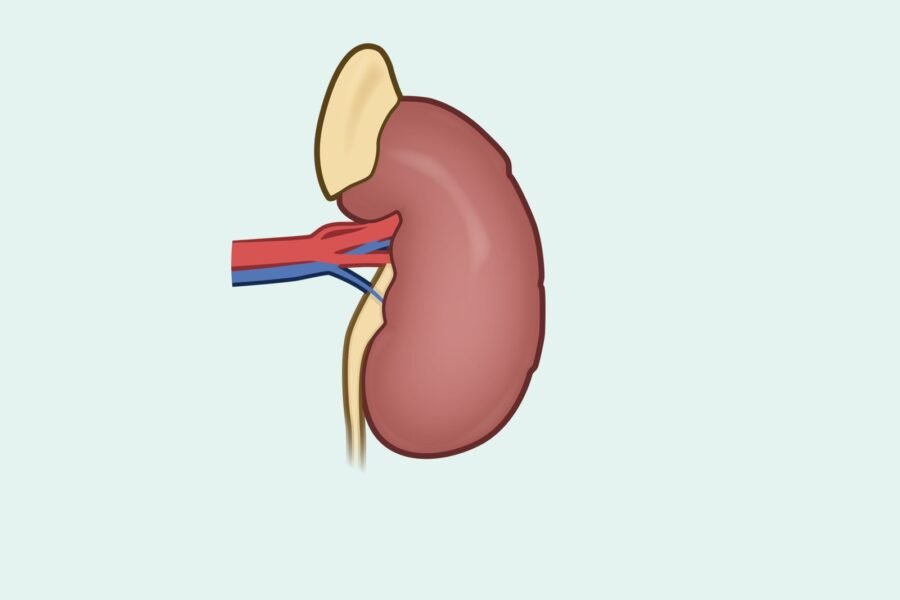
A urinary tract infection (UTI) is an infection of the bladder, the urine tube or, less often, the kidneys. When infections keep coming back, it is called recurrent UTI. A commonly used definition is two or more infections in six months, or three or more in a year.
Common symptoms
- Burning while urinating
- Frequent, urgent need to pass urine
- Lower abdominal discomfort
- Cloudy or strong-smelling urine
- Blood in the urine
Fever, chills or flank pain can mean the kidney is involved and need prompt care.
Why infections come back
- Not emptying the bladder fully
- Kidney or bladder stones
- Changes after menopause
- Diabetes
- Structural problems of the urinary tract
- Sometimes no clear cause is found
Prevention habits
- Drink enough fluids through the day.
- Do not hold urine for long periods.
- Pass urine after sexual intercourse.
- Maintain good hygiene.
- Manage diabetes and other conditions as advised.
Please do not self-treat
Taking leftover antibiotics or starting them without a urine test can hide the cause and make infections harder to treat. A urine test helps to choose the right treatment.
If infections keep returning, a urologist can look for the cause, with tests such as a urine culture and an ultrasound scan, and plan treatment and prevention for you.
This article is for general educational purposes and is not a substitute for professional medical consultation, diagnosis or treatment. Treatment recommendations depend on each person’s clinical condition and medical evaluation.