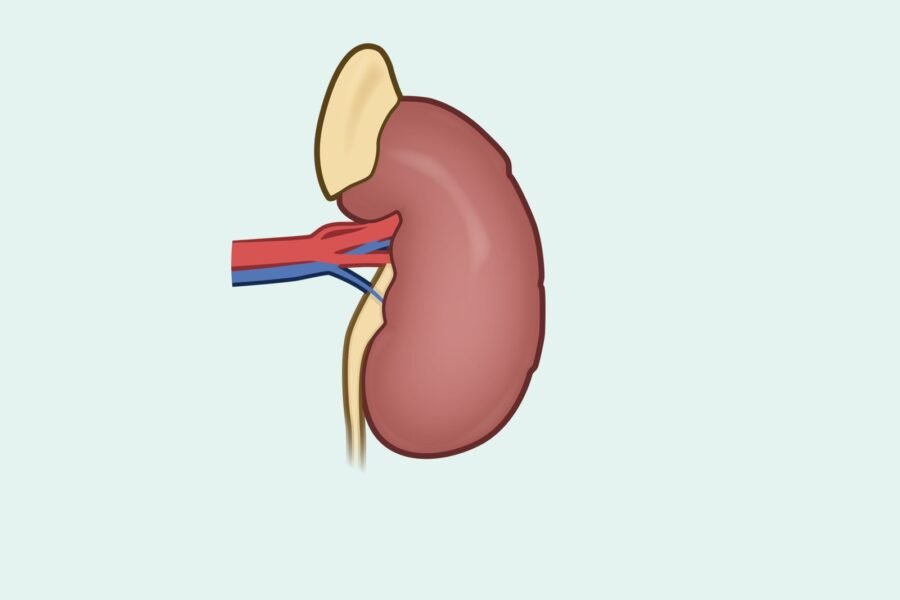

Urinary incontinence means leaking urine without meaning to. It can be a few drops when you cough or a sudden, strong need to go that you cannot hold. It is common, and it can often be improved.
Common types
- Stress incontinence: leakage when coughing, sneezing, laughing or lifting.
- Urge incontinence: a sudden urge followed by leakage, often linked to an overactive bladder.
- Mixed incontinence: a combination of the two.
- Overflow: leakage when the bladder does not empty fully, for example with an enlarged prostate.
Why it happens
Causes include weak pelvic floor muscles, which can follow pregnancy and childbirth, ageing, an overactive bladder, urinary infections, prostate problems in men, and some medical conditions or medicines.
What can help
- Pelvic floor exercises
- Bladder training and a regular toilet routine
- Managing fluids, caffeine and body weight
- Treating infections or other causes
- Medicines, and procedures for selected patients
When to see a doctor
Book a consultation if leakage affects your comfort or confidence, if it is new or getting worse, or if it comes with burning, blood in the urine, or difficulty passing urine. A proper evaluation finds the type and the cause, so that the treatment fits you.
This article is for general educational purposes and is not a substitute for professional medical consultation, diagnosis or treatment. Treatment recommendations depend on each person’s clinical condition and medical evaluation.