
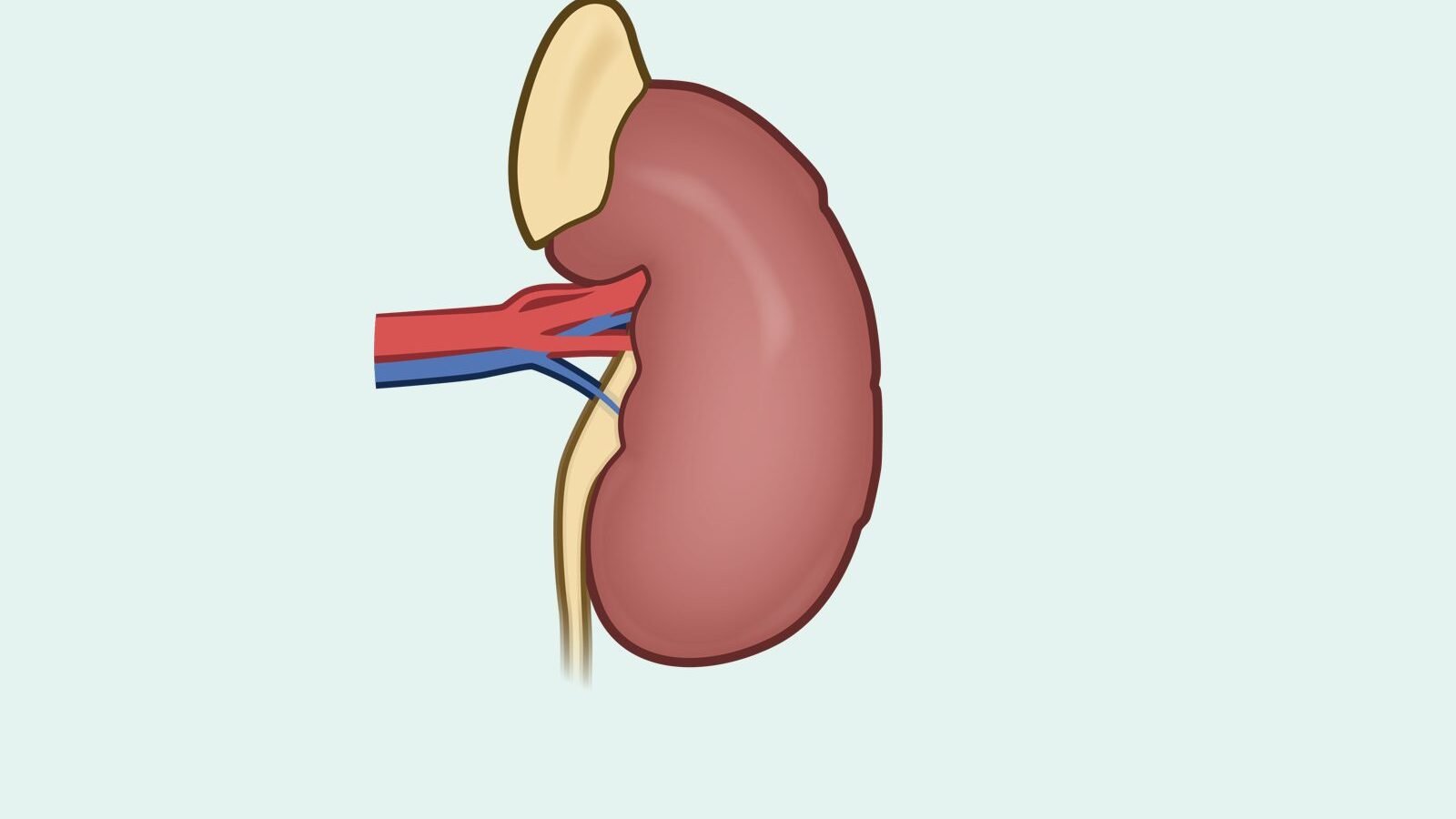
Seeing blood in the urine can be frightening. The colour can range from pink to red or brown. Sometimes blood is present but cannot be seen and is found only on a urine test.
Visible or unexplained blood in urine should be medically evaluated, even when there is no pain.
Possible causes
- Urinary tract infection
- Kidney or ureteric stones
- An enlarged prostate
- Inflammation or injury of the urinary tract
- Some medicines, including blood thinners, which can make bleeding more noticeable
- Less commonly, tumours of the kidney, bladder or prostate
Because some causes are serious, blood in the urine should not simply be watched and forgotten. Painless bleeding in particular needs an evaluation.
How it is evaluated
- A discussion of your symptoms, medicines and medical history
- Urine tests
- Imaging, such as an ultrasound scan or other scans
- In some cases, a look inside the bladder with a thin camera (cystoscopy)
Seek urgent care if
- You pass blood clots or cannot pass urine
- You have fever, chills or severe pain
- The bleeding is heavy or continues
The key message
Do not wait for the bleeding to stop on its own or to become painful. Book a consultation so that the cause can be found and treated.
This article is for general educational purposes and is not a substitute for professional medical consultation, diagnosis or treatment. Treatment recommendations depend on each person’s clinical condition and medical evaluation.