People who have had one kidney stone have a higher chance of getting another. The good news is that a few steady habits can reduce this risk.
Drink enough fluid
Drinking enough water through the day keeps urine more dilute, so minerals are less likely to clump together. A useful guide is the colour of your urine: pale and light is a good sign. If you have a heart or kidney condition, ask your doctor how much fluid is right for you.
Look at your diet
- Avoid very high salt intake.
- Do not rely heavily on animal protein.
- Include fruits and vegetables in your meals.
- Ask your doctor before starting any supplement.
Dietary advice is not the same for every type of stone, so general rules may not suit everyone.
Maintain a healthy weight and stay active
Regular activity and a healthy weight support overall metabolic health, which is linked to stone formation.
Do not ignore recurrent stones
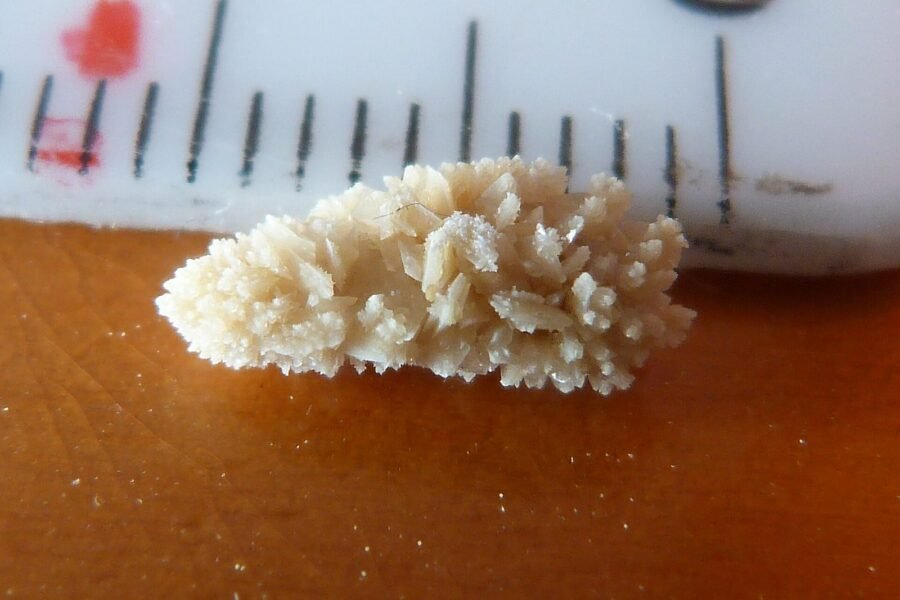
If stones keep coming back, an evaluation can help. A doctor may suggest tests on blood and urine, and analysis of the stone, to understand the cause and plan prevention.
Follow up
Even after a stone has passed or has been treated, a check-up helps to confirm that nothing remains and to plan how to stay stone free.
This article is for general educational purposes and is not a substitute for professional medical consultation, diagnosis or treatment. Treatment recommendations depend on each person’s clinical condition and medical evaluation.