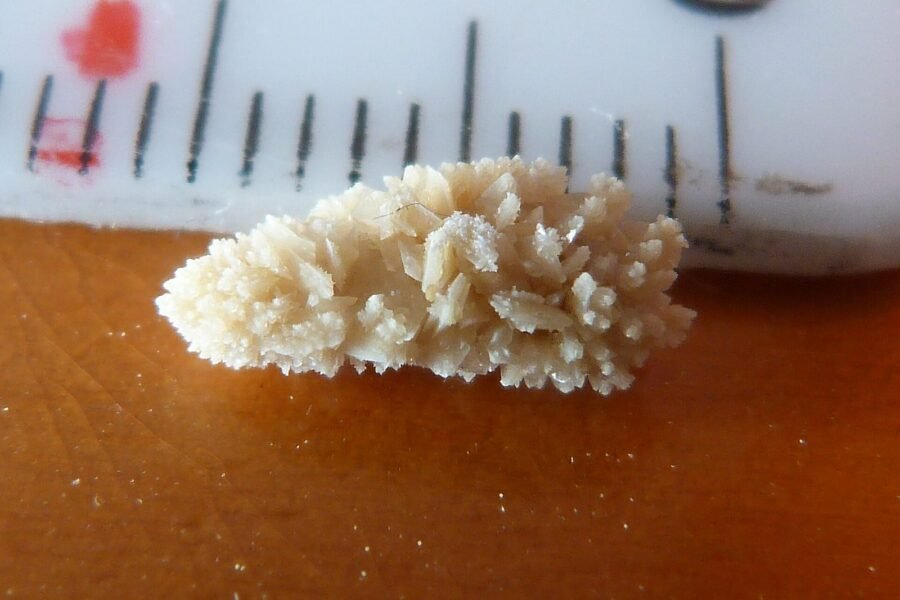
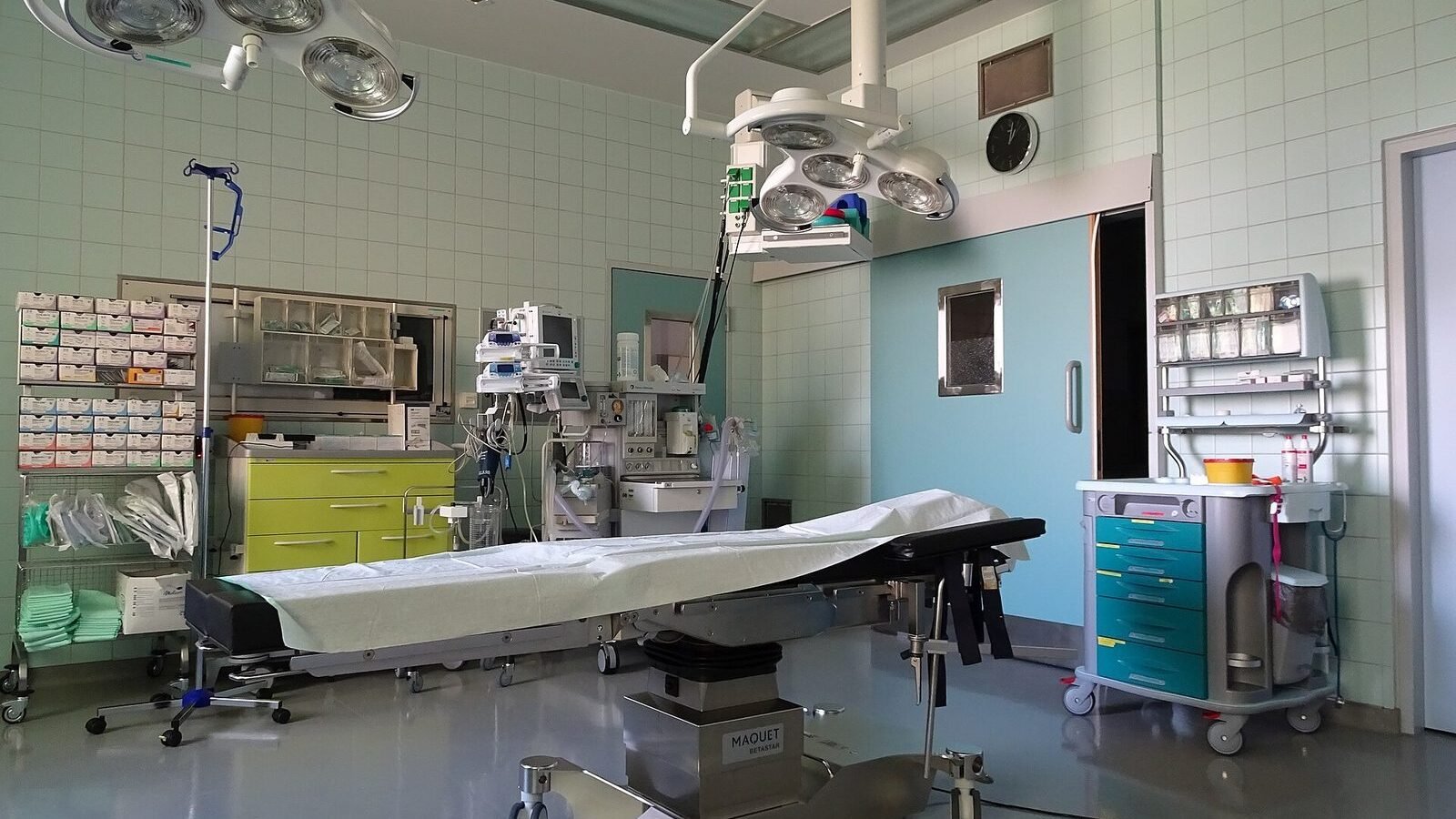
Many people worry that a kidney stone always means an operation. In reality, treatment depends on several factors, and many small stones are managed without surgery.
Factors that decide the treatment
- Size of the stone. Smaller stones are more likely to pass on their own.
- Location. A stone in the kidney behaves differently from one in the ureter.
- Symptoms. Pain that is not controlled with medicines may need a procedure.
- Obstruction. A stone that blocks urine flow needs timely attention.
- Infection. A blocked, infected system is treated as an urgent matter.
- Your general health and any kidney problems.
When waiting may be reasonable
If the stone is small, the pain is manageable and there is no infection or blockage, a doctor may suggest drinking plenty of fluids, pain control and regular follow-up while the stone passes.
When a procedure may be advised
- The stone is too large to pass
- There is a blockage with infection
- Pain or vomiting cannot be controlled
- The stone keeps causing problems or damages kidney function
Types of treatment
Treatment options can include medicines, procedures that break the stone from outside the body, endoscopic procedures that reach the stone through the natural urinary passage, and, for selected cases, minimally invasive surgery. The right choice is made after an examination and investigations such as imaging.
Your urologist will explain the options, the benefits and the risks, so that the decision fits your situation.
Get urgent help if
- You have fever or chills with flank pain
- You cannot pass urine
- You have severe, uncontrolled pain or repeated vomiting
This article is for general educational purposes and is not a substitute for professional medical consultation, diagnosis or treatment. Treatment recommendations depend on each person’s clinical condition and medical evaluation.